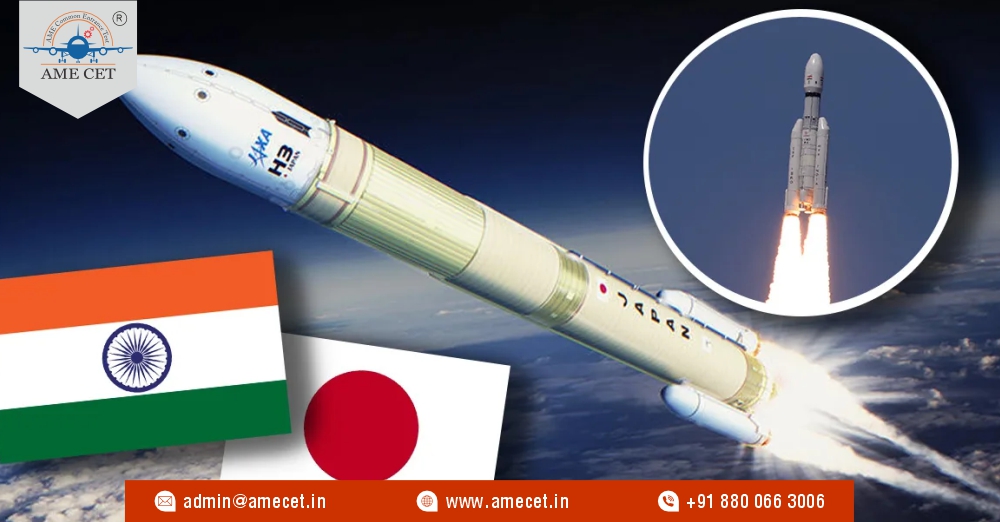
Collaboratively, the Indian Space Research Organisation (ISRO) and the Japan Aerospace Exploration Agency (JAXA) are embarking on a venture known as the Lunar Polar Exploration Mission (Lupex), alternatively named Chandrayaan-4.
In a momentous achievement, India accomplished a historic feat on Wednesday by skillfully landing the Chandrayaan-3 mission on the southern polar expanse of the Moon. This successful endeavor also included the deployment of a rover that is scheduled to operate actively for the ensuing two weeks.
With the completion of this mission phase, the spotlight inevitably shifts towards the forthcoming stage - Chandrayaan-4, arousing keen anticipation.
The Indian Space Research Organisation (Isro) and the Japan Aerospace Exploration Agency (JAXA) have joined forces to launch the Lunar Polar Exploration Mission (Lupex) also being referred to as Chandrayaan-4, which seeks to answer one of the most tantalising questions in lunar exploration - is there water on the Moon?
The main goal of Lupex is to check if there is water on the Moon's polar region and if we can use it. The mission has two important parts: finding out how much water there is and how good it is.
First, we want to know the exact amount of water in the areas we're interested in. We'll do this by getting measurements directly on the Moon and comparing them with what we know from far away. This will help us figure out how much water we need to bring from Earth for future Moon trips and how much we can get from the Moon itself. This information could change how we plan and do Moon missions, making them more affordable and environmentally friendly.
Secondly, we want to understand where the water is, what condition it's in, and what form it takes in the Moon's polar areas. This is important because if we want to use this water for things like drinking, making fuel, or building shelters, we need to know these details. It's like checking if the water is clean and usable.
In simple words, Lupex wants to see if there's water on the Moon's poles that we can use. We'll find out how much water there is and how good it is for our needs. This information will help us plan better for future trips to the Moon.
Category
-
Aircraft Maintenance Engineering (DGCA) (62)
-
(268)
-
Cabin Crew (1)
-
Aerospace Engineering (3)
-
Aeronautical Engineering (2)
-
Airport Management (5)
-
Aircraft Maintenance Engineering (EASA) (6)
-
Airport Ground Staff (1)
-
Commercial Pilot License(CPL) (51)
-
Aircraft Maintenance Engineering (BTech/BE) (1)
-
B.Sc. in Aviation (1)
-
AME CET (5)