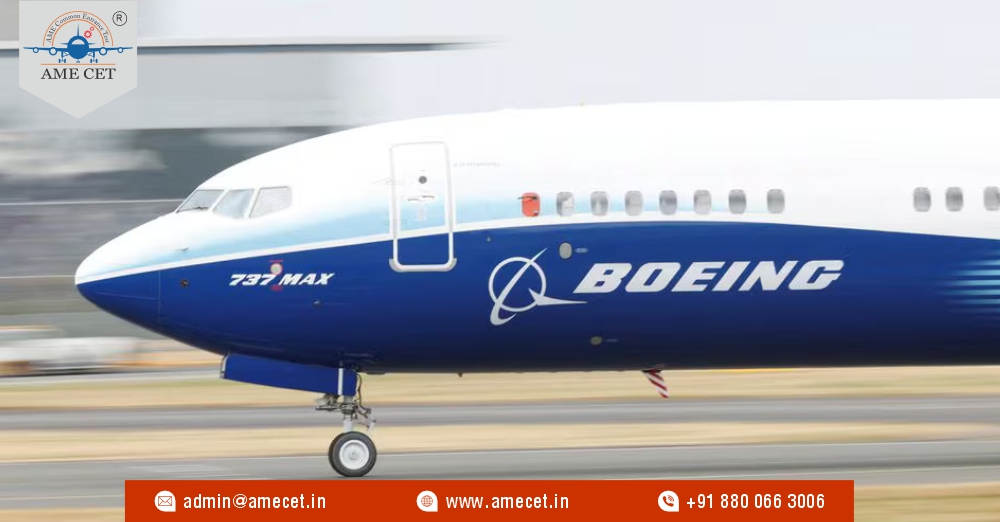
boeing's upcoming introduction of the 737 MAX 7 and MAX 10 aircraft in 2024 brings forth exciting opportunities and benefits for students worldwide. As aviation enthusiasts and future professionals, here's how this development can positively impact students:
-
Technological Advancements: The introduction of the 737 MAX 7 and MAX 10 showcases Boeing's commitment to innovation. Students pursuing studies in aerospace engineering, aviation technology, and related fields can gain valuable insights into the latest advancements in aircraft design, fuel efficiency, and passenger experience.
-
Learning from Real-World Events: The journey of the 737 MAX series, from challenges to improvements, provides a real-world case study for students. It offers an opportunity to understand the importance of safety measures, regulatory oversight, and engineering excellence in the aviation industry.
-
Career Prospects: As Boeing expands its fleet, the demand for skilled professionals in aviation, including pilots, maintenance technicians, air traffic controllers, and aviation managers, is likely to grow. This development aligns with students' career aspirations and opens doors to a wider range of job opportunities.
-
Educational Partnerships: Boeing's progress could lead to collaborative initiatives between the company and educational institutions. Students might benefit from internships, research projects, and educational programs supported by Boeing, fostering a practical and industry-relevant learning experience.
-
Sustainable Aviation: The 737 MAX series emphasizes fuel efficiency and reduced carbon emissions. For students passionate about environmental sustainability and eco-friendly technologies, studying the aircraft's design principles and operational efficiency could be inspiring and contribute to their career goals.
-
Global Connectivity: The expansion of Boeing's aircraft fleet contributes to enhanced global connectivity, making travel more accessible and efficient. This can broaden students' horizons, encouraging cross-cultural experiences, international collaboration, and the exchange of ideas.
-
Inspiration for Aspiring Aviators: The introduction of new aircraft models ignites the imagination of aspiring pilots and aviation enthusiasts. It serves as a reminder that the aviation industry is dynamic and evolving, motivating students to pursue their dreams and make a mark in this exciting field.
-
Research and Innovation: Students interested in aerospace research have an opportunity to explore various aspects of the 737 MAX 7 and MAX 10, such as aerodynamics, materials science, avionics, and more. This aircraft series could become a focal point for research projects and academic investigations.
-
Industry Resilience: Boeing's persistence in enhancing safety measures and bringing new models to the market demonstrates the resilience of the aerospace industry. This resilience can inspire students to remain steadfast in the face of challenges and contribute to the industry's growth.
-
Aviation Education Awareness: The news of Boeing's new aircraft can serve as a catalyst for raising awareness about aviation education and its importance. It encourages educational institutions and governments to invest in quality aviation programs, benefiting students who aspire to join this dynamic sector.
Boeing's target for introducing the 737 MAX 7 and MAX 10 in 2024 holds promising prospects for students. From technological advancements to career opportunities and environmental considerations, this development has the potential to shape the aspirations and contributions of the next generation of aviation professionals.
Category
-
Aircraft Maintenance Engineering (DGCA) (62)
-
(269)
-
Cabin Crew (1)
-
Aerospace Engineering (3)
-
Aeronautical Engineering (2)
-
Airport Management (5)
-
Aircraft Maintenance Engineering (EASA) (6)
-
Airport Ground Staff (1)
-
Commercial Pilot License(CPL) (51)
-
Aircraft Maintenance Engineering (BTech/BE) (1)
-
B.Sc. in Aviation (1)
-
AME CET (5)