The Global Pilot Shortage Challenges and Opportunities in the Aviation Workforce
Posted on : 18 April, 2026 04:32 pm
The aviation industry is entering a new era of growth, with rising passenger demand and expanding fleets across the globe. However, this growth is accompanied by a pressing concern-the global pilot shortage. Industry experts warn that the shortfall of qualified pilots could significantly impact airlines, airports, and overall air travel efficiency. At the same time, this challenge also opens up new opportunities for aspiring professionals and the aviation workforce at large.
Understanding the Pilot Shortage
The pilot shortage is not a new concern, but it has intensified in recent years. The International Air Transport Association (IATA) and Boeings Pilot and Technician Outlook predict that the world will need over 600,000 new pilots by 2040 to meet demand. Factors contributing to this shortage include:
- Rapid fleet expansion by airlines, particularly in Asia and the Middle East.
- High retirement rates among senior pilots.
- The COVID-19 pandemic, which disrupted pilot training pipelines.
- Stringent certification and licensing requirements that make training time-intensive.
As a result, airlines worldwide are struggling to maintain adequate cockpit crew levels, especially for long-haul international operations.
Challenges Facing the Aviation Industry
- Operational Disruptions: Pilot shortages can lead to flight cancellations, delays, and reduced route networks, affecting airline profitability and customer satisfaction.
- Rising Training Costs: Becoming a commercial pilot requires significant financial investment, often amounting to INR 80 lakhs- INR 1.5 crore in India or over $100,000 globally. This cost barrier discourages many aspiring candidates.
- Uneven Global Distribution: While some regions like North America face high retirement rates, emerging markets such as India and Southeast Asia are expanding rapidly but lack sufficient pilot supply to keep pace.
- Workforce Fatigue: With fewer pilots available, existing crews face longer duty hours, raising concerns about fatigue and aviation safety.
Opportunities for Growth
While the pilot shortage poses challenges, it also creates exciting opportunities:
- Career Prospects for Aspiring Pilots: The shortage translates into strong job security, attractive salaries, and global mobility for trained pilots. Airlines are offering signing bonuses, faster promotions, and better work-life balance packages to attract talent.
- Expansion of Pilot Training Academies: Aviation schools and flight training organizations are scaling up capacity worldwide. India, with its growing aviation sector, is investing in advanced simulators, modern training centers, and partnerships with global academies to meet rising demand.
- Technological Innovations in Training: Virtual reality (VR) and artificial intelligence (AI)-based simulators are making pilot training more efficient and cost-effective, reducing dependency on physical aircraft for practice.
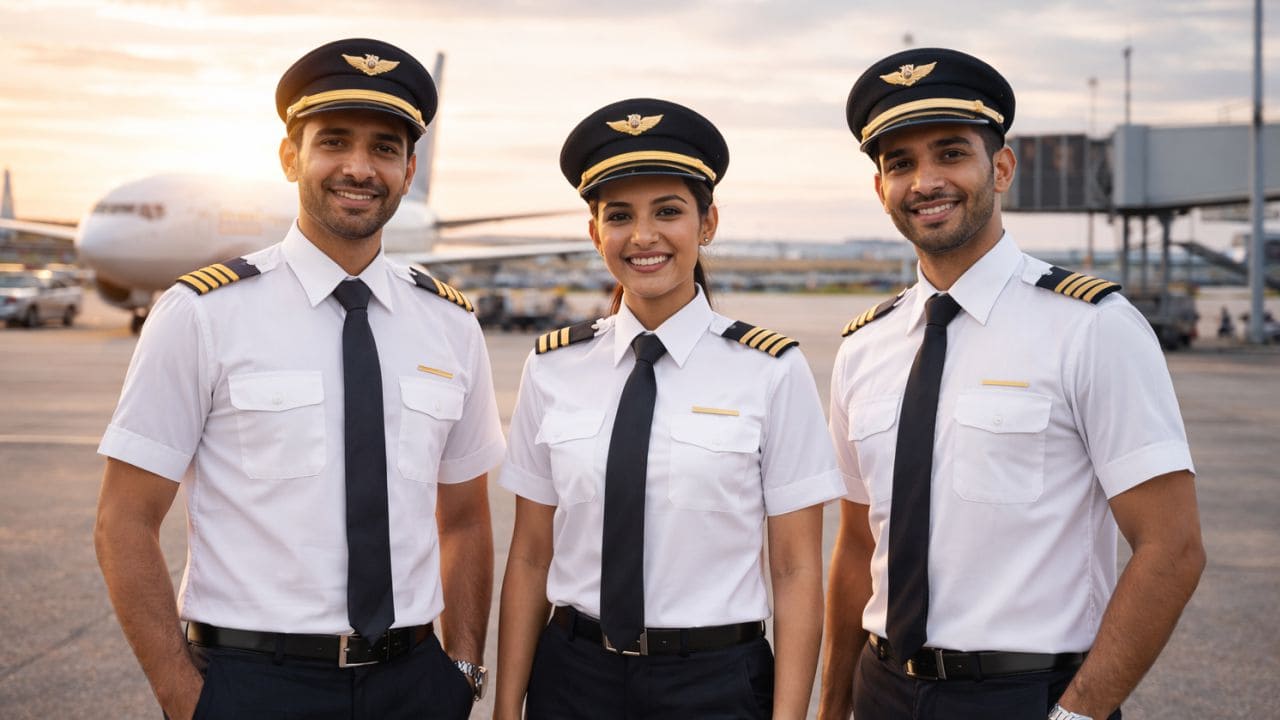
- Diversity and Inclusion in the Workforce: Airlines are increasingly encouraging women pilots and underrepresented groups to join the profession, broadening the talent pool and promoting inclusivity in aviation.
Conclusion
The global pilot shortage is both a challenge and an opportunity for the aviation workforce. While it creates operational and financial pressures for airlines, it also paves the way for robust career opportunities, innovation in training, and global workforce diversification.
For aspiring professionals, this is the ideal time to enter the aviation sector. With focused investment in training, technology, and workforce development, the industry can not only overcome the shortage but also build a stronger, more resilient future for global aviation.