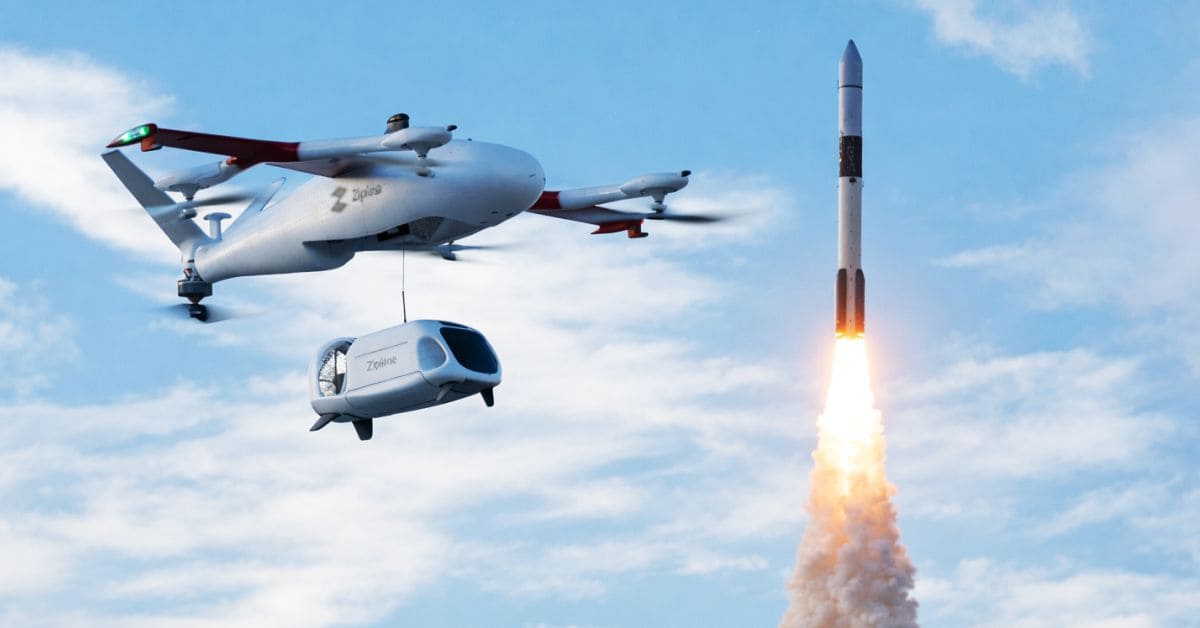
How Autonomous Drones Are Changing Aerospace
Posted on : 16 February, 2026 03:35 pm
Autonomous drones are no longer just futuristic ideas they’re real, powerful tools that are transforming the aerospace industry in many ways. These smart flying machines can take off, fly, and land without human control, thanks to advanced sensors, software, and artificial intelligence (AI). Their growing role is reshaping how we think about flight, safety, and the future of air travel.
Smarter Skies
In the past, drones needed skilled operators to guide them. Now, autonomous drones use GPS, cameras, and onboard computers to make their own decisions in real time. They can avoid obstacles, follow flight paths, and complete tasks with little or no help. This makes them useful for jobs in places that are too dangerous or remote for people. For example, drones can inspect tall buildings, power lines, or airplanes without risking human lives. In aerospace, they’re already being used to check aircraft for damage, saving time and improving safety.
Boosting Safety and Efficiency
One major way autonomous drones are changing aerospace is by making inspections faster and more reliable. Traditional aircraft inspections can take hours or even days. Autonomous drones can do the same work in minutes. They can fly around an aircraft, scan every surface, and send detailed reports back to engineers. This helps find problems early and reduces the chances of failure during flights. Autonomous drones are also used in search and rescue missions. They can quickly scan large areas, even in bad weather or at night, which can help save lives when every second counts.
New Uses in Air Travel and Delivery
Autonomous drones are opening the door to new services like drone delivery and even passenger transport. Companies are testing drone taxis and cargo drones that could carry goods or people without a pilot. While we’re not quite there yet, the idea of flying taxis is becoming more real every year. In addition, delivery drones are already being tested in cities and rural areas. These drones can carry packages, medical supplies, or food, reaching places faster than cars or trucks.
Challenges Ahead
- Air Traffic Management Current systems are not designed for large numbers of autonomous drones. There needs to be better coordination to avoid mid-air collisions.
- Regulations and Laws Many countries are still developing rules for how and where drones can fly, especially in busy or sensitive areas.
- Safety and Reliability Drones must be highly reliable, especially if they’re carrying people or valuable cargo. Any system failure could be dangerous.
- Cybersecurity Risks Autonomous drones rely on software and wireless communication, making them potential targets for hacking or interference.
- Privacy Concerns Drones with cameras and sensors could invade people’s privacy if not used responsibly.
Autonomous drones are transforming aerospace in exciting ways. They’re making flight operations safer, faster, and more efficient than ever before. Although there are still technical and regulatory hurdles to overcome, the progress so far is promising. As innovation continues, drones are set to play a leading role in shaping the future of air travel, cargo transport, and aerospace technology.