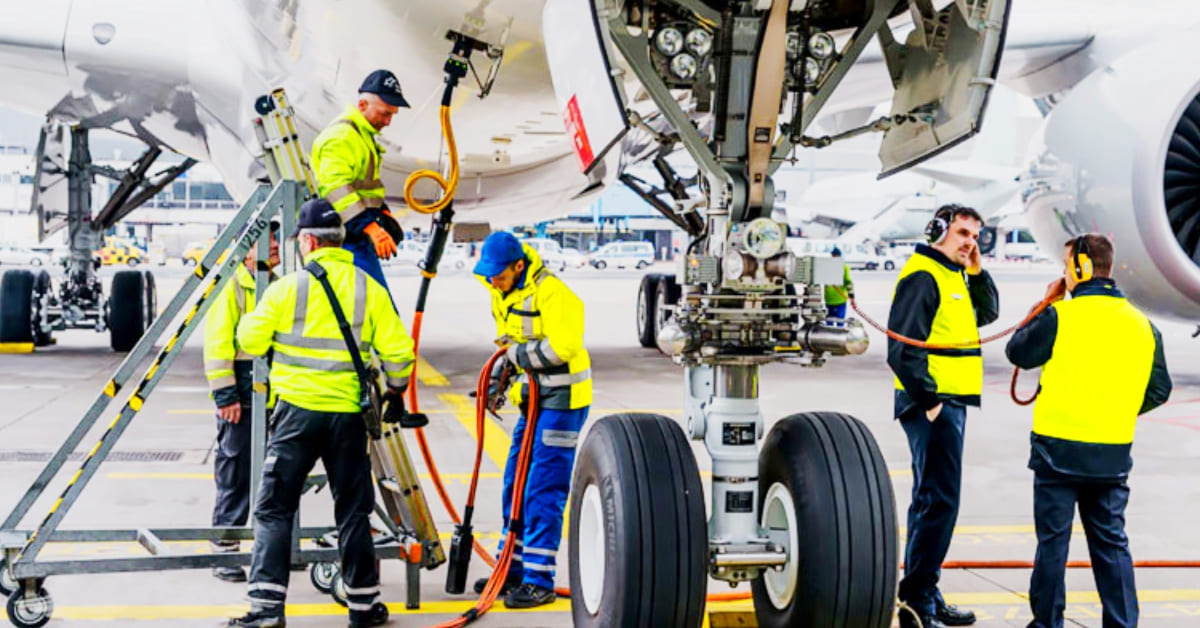
Does the Course Include Hands-On Experience Like Aircraft Maintenance and Airport Visits?
Posted on : 15 November, 2025 10:36 am
While selecting a course in aviation—Aircraft Maintenance Engineering (AME), Pilot Training, Cabin Crew, or Airport Management—a crucial point to think about is practical exposure. The aviation sector is very technical and safety-conscious, and employers are interested in candidates who have already gained exposure to the real-world environment. This brings up an important question: Does the course provide hands-on experience such as aircraft maintenance, airport exposure, or simulator training? The short answer: Yes, but the type and amount of exposure vary depending on your course of study. Lets look at what sort of practical exposure each course provides and why it matters.
Need for Practical Exposure in Aviation
1.1 Crossing the Theory-Practice Gap Flying is not merely about studying textbooks or taking exams. Whether youre repairing an aircraft, flying the aircraft, running airport services, or dealing with passengers, your skills are put through real-life situations. Practical exposure enables students to: Learn technical systems and real-time operations. Operate industry-level tools, equipment, and software. Gain confidence in handling live aircraft and airport settings.
1.2 Enhancing Employability Practically experienced students are more desirable to recruiters. Airlines, MROs, and airport operators like candidates who have already touched and felt the actual machinery or systems they will be working with.
Aircraft Maintenance Engineering (AME)
2.1 Workshop and Hangar Training Practical training is an integral part of AME courses. Students usually spend 40–50% of the course duration in labs, workshops, and hangars. Major hands-on activities are: Engine disassembly and assembly Testing of hydraulic systems Landing gear checks Electrical and avionics system inspections These practices are carried out in retired aircraft, training rigs, or under guidance at MRO facilities.
2.2 Mandatory Practical Exposure According to DGCA (Director General of Civil Aviation) guidelines for India (or EASA for Europe), students of AME have to undergo practical maintenance exposure in actual aircraft or DGCA-approved maintenance organizations to be licensed.
2.3 Airport and MRO Visits Most of the well-known AME colleges conduct frequent trips to airports and MROs (such as Air India Engineering Services or IndiGo Maintenance Bases) so that students can observe live aircraft servicing operations.
Pilot Training
3.1 Flight Simulator Training Pilot trainees receive simulator training in flight schools before they fly actual aircraft. The following things are simulated: Cockpit atmosphere Air traffic communications Emergency drills Navigation and landing procedures This is a vital step towards making trainees accustomed to flight in a controlled, risk-free environment.
3.2 Live Flying Hours The largest practical aspect of pilot training is real flying. Students must have 200+ hours of flight (for a Commercial Pilot License - CPL) under instructor guidance, including: Solo flights Cross-country navigation Night flying Instrument flying
3.3 Air Traffic Control (ATC) and Airport Familiarity Pilot students also have orientation sessions at airports to familiarize them with: Runway markings Taxi procedures ATC communication Airport operations
Cabin Crew Training
4.1 Mock Drills and In-Flight Simulations Training of the cabin crew involves rigorous practical training in hospitality and safety drills. Institutes and airlines offer: Mock aircraft cabin for service training Emergency evacuation drills First aid training Swimming pools for ditching and life raft training
4.2 Grooming and Etiquette Sessions Practical sessions for cabin crew training also include: Public speaking Personal grooming Language and communication Conflict management with passengers
4.3 Real-World Exposure During Induction Once hired by an airline, new cabin crew members go through real-world onboard familiarization trips prior to single-handed duties.
Airport Management Courses
5.1 Industrial Visits The majority of airport management degree courses incorporate industrial visits to: Domestic and international airports Cargo handling terminals Air traffic control towers Airport security departments The visits enable the students to comprehend the whole ecosystem, involving ground operations, customer service, and logistics.
5.2 Internships and Live Projects Most renowned aviation institutes have partnerships with airports, airlines, or ground handling organizations to provide project-based learning or internships, e.g., Terminal operations Check-in and boarding process Lost luggage handling Airport security audits
5.3 Software and Systems Training Airport management software training is provided for students, e.g., Departure Control Systems (DCS) Reservation systems (e.g., Amadeus, Galileo) Baggage handling tracking The above simulations provide a half-practical setup where students learn how to operate the tools they will use at work.
Variation by Institute Quality
6.1 Reputed Institutes vs. Low-Cost Schools Not all aviation institutes offer equal quality of hands-on experience. The reputed ones (approved by DGCA, EASA, IATA, etc.) often have: Access to real aircraft or simulators Industry tie-ups for internships Modern labs and software Guest lectures from airline professionals Cheaper or unrecognized institutes may lack such facilities, leading to poor practical exposure.
6.2 How to Check Before Enrolling Before joining any aviation course, ask the following: Do they have their own hangar or collaborating MROs? Are airport visits incorporated into the syllabus? What kind of simulators or mock-ups do they have? Is there internship support offered?
Conclusion:
Is Hands-On Experience Included?
7.1 Summary Course Hands-On Components AME Workshops, hangar training, airport/MRO visits Pilot Simulator training, flying hours, airport orientation Cabin Crew Mock aircraft drills, grooming sessions, live flights Airport Management Industrial visits, internships, system training
7.2 Final Thoughts Yes, practical exposure is a part of most aviation courses, but the quality, depth, and duration of exposure vary based on: The type of course The reputation of the institute Regulatory approvals (DGCA, EASA, IATA, etc.) 7.3 Why It Matters Practical knowledge in aviation is not a nicety—its a requirement. Airlines and airport operators expect the fresher to already know the environment theyre joining. Practical exposure enhances not just employability but also confidence and capability in high-stakes jobs.
