Can I Join the Aviation Industry Without Being a Pilot?
Posted on : 25 November, 2025 11:59 am
When most of us imagine aviation, the very first picture that comes to mind is a pilot in a cockpit flying a plane thousands of feet up in the air. Although pilots are critical to the aviation sector, they are merely a limited group of individuals who maintain the worlds aviation system functioning effectively. The fact is: Yes, you can definitely become a part of the aviation field without being a pilot — and in lots of fast-paced, stimulating, and lucrative jobs. Lets take a look at the many different career paths in aviation that dont include flying an airplane.
Air Traffic Controller (ATC)
Role Overview Air traffic controllers guide the safe and orderly movement of aircraft in the air and on airport runways.
Key Duties Direct aircraft to take off and land. Ensure safe spacing between aircraft. Coordinate air traffic within regions and time zones.
Skills and Training
- Advanced decision-making and communication skills.
- Standardized training and certification by aviation bodies (e.g., FAA in the United States, or NATS in the United Kingdom).
- High tolerance for stress and keen concentration.
Why Its Rewarding
- High level of responsibility.
- Competitive remuneration.
- A crucial role in maintaining airspace safety.
Aircraft Maintenance Engineer / Aircraft Mechanic
Role Overview These specialists inspect, maintain, and repair aircraft to make sure that they are safe for use. Chief Responsibilities Conduct routine checks and scheduled repairs. Identify mechanical or electronic faults. Approve aircraft airworthiness.
Qualifications and Training
- Technical degree or diploma in aircraft maintenance.
- Aviation authorities certification (e.g., EASA Part 66, FAA A&P license).
- High attention to detail.
Why Its Fulfilling
- Physical work with advanced technology machines.
- High global demand.
- Critical to flight safety.
Flight Dispatcher / Operations Officer
Role Summary: Flight dispatchers collaborate with pilots to develop flight plans that are safe, efficient, and compliant. Principal Responsibilities Plot routes taking into account weather, fuel, airspace limitations, and aircraft performance. Track flights in real time. Coordinate with air traffic control and airport personnel.
Skills and Training
- Certification or licensure from a recognized agency.
- Knowledge of meteorology and aviation law.
- Excellent analytical and multitasking abilities.
Why Its Rewarding
- Essential behind-the-scenes role.
- High-energy environment.
- Working with pilots without having to fly.
Cabin Crew (Flight Attendant)
Role Overview
Flight attendants maintain the safety, comfort, and well-being of passengers on board flights. Key Duties Perform safety demonstrations. Serve food and drinks. Deal with emergencies and customer service issues.
Skills and Training
- Excellent interpersonal skills.
- Initial and recurrent safety training.
- Medical training (e.g., CPR, first aid).
Why Its Rewarding
- Travel opportunities.
- Meeting people from all over the world.
- Critical safety responsibilities, not only customer service.
Airport Ground Staff and Operations
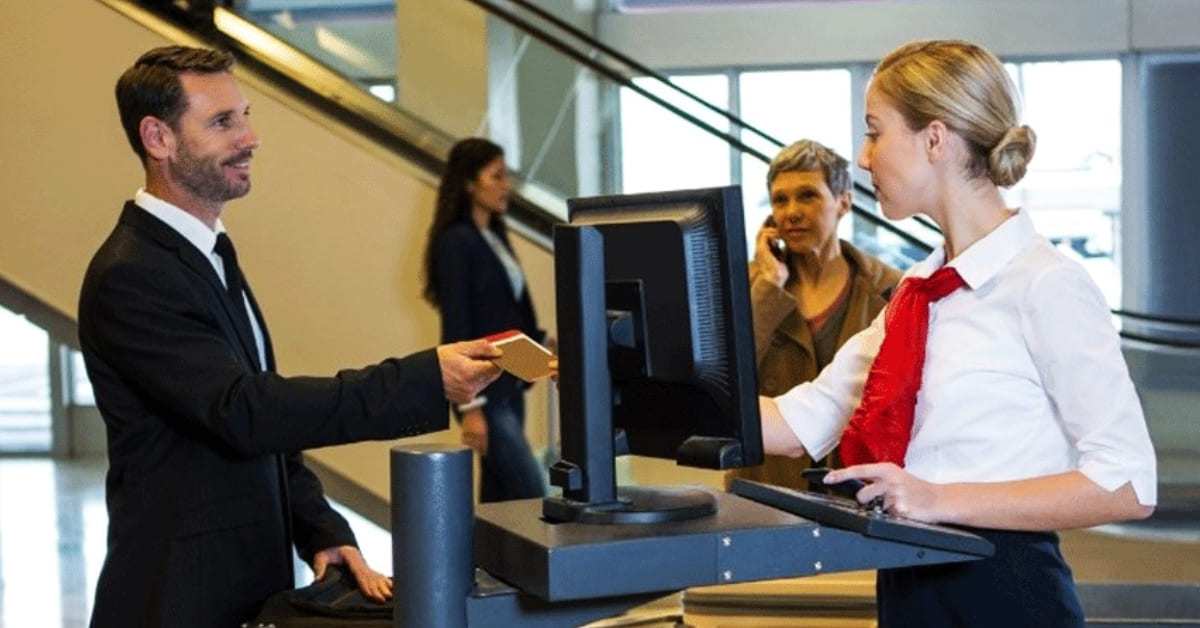
Role Overview Ground operations involve several different jobs which help airport and airline ground operations move smoothly. Jobs Within Ground Staff Ramp Agents – Load bags, direct planes on the ground. Check-in Agents – Service travelers at the terminal. Gate Agents – Board travelers and make announcements. Baggage Handlers – Sort bags and manage bags.
Skills and Training
- Differ by job; customer service or technical ability usually required.
- Some jobs involve physical endurance and airport safety training.
Why Its Rewarding
- Team-based work environment.
- Entry-level positions with opportunities to grow.
- Critical component of the passenger experience.
Aviation Management and Administration
Role Overview This career track encompasses strategic and operational positions in airlines, airports, and aviation service providers.
Key Roles Airline Manager Airport Operations Manager Route Planner Aviation Finance Analyst Human Resources in Airlines
Skills and Training
- Aviation management, business, logistics, or economics degrees.
- Analytical, leadership, and communications skills.
Why Its Rewarding
- Leadership roles.
- Influence on business strategy.
- Broad range of career possibilities throughout the industry.
Aerospace Engineering
Role Overview Aerospace engineers design, test, and develop aircraft and aviation systems. Main Responsibilities Design aircraft components, systems, and structures. Work on efficiency, safety, and environmental enhancements. Work with manufacturers and regulatory agencies.
Skills and Training
- Bachelors or Masters in Aerospace or Mechanical Engineering.
- Excellent technical and analytical skills.
- Proficiency in CAD and simulation packages.
Why Its Rewarding
- Highly innovative and high-tech work.
- Good career prospects in civil and military aviation.
- Helping shape the future of flight.
Aviation Safety and Regulatory Roles
Role Overview These professionals ensure compliance with aviation regulations and safety standards. Key Roles Safety Inspector Regulatory Compliance Officer Accident Investigator.
Skills and Training
- Aviation experience or technical background.
- Knowledge of safety standards (e.g., ICAO, FAA, EASA).
- Analytical thinking and attention to detail.
Why It’s Rewarding
- Crucial to improving industry safety.
- Opportunities in government and private sector.
- Work that impacts public trust in aviation.
Aviation IT and Technology Specialists
Role Overview Technology is the backbone of contemporary aviation — from ticketing systems to plane navigation.
Key Roles Aviation Software Developer Cybersecurity Analyst Data Analyst Systems Integrator
Skills and Training
- IT or computer science degree.
- Background in aviation systems beneficial (e.g., radar, EFBs, booking systems).
- Problem-solving attitude.
Why Its Rewarding
- High demand for tech expertise in aviation.
- Opportunities to innovate and streamline.
- Cross-industry career mobility.
Aviation Education and Training
Role Overview Preparing the next generation of aviation professionals is a career opportunity in itself. Flight School Instructor (non-flying theory) Simulator Instructor Training Program Coordinator Curriculum Developer
Skills and Training
- Aviation theory or instruction background.
- Certification by aviation organizations.
- Excellent communication and teaching ability.
Why Its Rewarding
- Shape the future of the aviation industry.
- Secure career with academic and commercial prospects.
- Work with students and seasoned professionals.
Conclusion
The world of aviation is a huge and complex system consisting of numerous interdependent professions, pilots being only one. Regardless of whether you are technically oriented, business-oriented, customer-service oriented, or safety and operations oriented, chances are that you can find a niche for yourself in aviation. So, can you enter the world of aviation without becoming a pilot? Yes. With the right skills, training, and mindset, you can meaningfully contribute to one of the worlds most vibrant and international industries — without ever setting foot in a cockpit.